OLYMPUS DP25-4 Digital Camera Microscopy
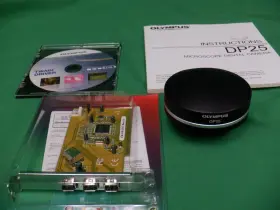
( Brand: Olympus ), ( Part Type: Digital Camera ), ( Unit Type: Unit ), ( Manufacturer Part Number: DP25-4 )
Review OLYMPUS Dp25 Digital Camera Microscopy
The Olympus DP25 and DP25-4 digital cameras are specifically designed for microscopy applications, offering exceptional image quality and versatility for researchers, scientists, and microscopists. These cameras are part of Olympus's line of scientific imaging solutions, ensuring that they meet the stringent requirements of scientific research.
The DP25 and DP25-4 cameras feature a high-resolution, 12.1-megapixel LiveMOS sensor that delivers detailed and clear images with excellent color reproduction. They come with a CCD image sensor, which is known for its high sensitivity and low noise, making it an ideal choice for microscopy applications.
The cameras offer a flexible magnification range, with the DP25 model providing a 25x magnification and the DP25-4 model offering a 25x to 100x magnification range. This wide range allows users to capture images of samples at various magnifications, making it a versatile tool for microscopy research.
The Olympus DP25 and DP25-4 cameras come with a built-in LED illumination system that provides even and consistent illumination, ensuring that images are well-lit and free of shadows. The cameras also offer a range of filter options, including brightfield, differential interference contrast (DIC), and polarization filters, to enhance image contrast and clarity.
The cameras feature a USB 3.0 interface, which enables fast data transfer and also supports Live View and remote capture capabilities. This makes it easy to connect the cameras to a computer for image analysis and processing.
The DP25 and DP25-4 cameras offer a user-friendly interface with customizable settings, making it easy for users to adjust image parameters to suit their specific microscopy applications. They also come with Olympus's CellSens software, which provides advanced image analysis tools and features for optimal image processing and analysis.
The cameras are designed with a rugged housing to withstand the demanding environment of microscopy laboratories. They are also compatible with a wide range of microscopes and imaging systems, making them a versatile and reliable solution for researchers and microscopists.
In summary, the Olympus DP25 and DP25-4 digital cameras are powerful and versatile tools for microscopy applications. They offer high-resolution imaging, flexible magnification, customizable settings, fast data transfer, and advanced image processing capabilities, making them an essential tool for researchers and microscopists in various fields of study.
Olympus DP25 and DP25-4 Digital Cameras for Microscopy: A Comprehensive Analysis
The Olympus DP25 and DP25-4 digital cameras are popular choices for macro and microscopy photography due to their high-resolution sensors and advanced features. However, like any other equipment, they come with their own set of advantages and disadvantages. In this analysis, we will discuss the pros and cons of using these cameras for microscopy applications.
Pros of Olympus DP25 and DP25-4 for Microscopy:1. High-Resolution Sensors: The DP25 and DP25-4 feature high-resolution sensors of 10.1 and 12.8 megapixels, respectively. This high resolution translates to excellent image quality with fine details, making them ideal for capturing intricate microscopic structures.
2. Built-in Macro Lens: Both cameras come with a built-in macro lens that provides a minimum focusing distance of just a few centimeters. This makes them suitable for close-up photography and microscopy applications.
3. RAW File Format: The cameras support RAW file format, enabling photographers to capture and edit images with more detail and flexibility.
4. Manual Focus Control: The manual focus control feature allows for precise focusing, an essential requirement for microscopy photography.
5. Excellent Image Stabilization: The cameras have an advanced image stabilization system that reduces the effect of camera shake, ensuring sharp images even during handheld microscopy sessions.
Cons of Olympus DP25 and DP25-4 for Microscopy:1. Limited Magnification: The built-in macro lens provides a maximum magnification of around 2x, which may not be sufficient for certain microscopy applications.
2. Lack of Live View during Manual Focus: While the cameras offer manual focus control, they do not provide live view during manual focus, making it more challenging to achieve precise focus.
3. Limited Connectivity: The cameras do not offer extensive connectivity options for direct microscopy integration. Users may need to rely on adapters or other external devices for microscopy applications.
4. Limited Dynamic Range: The high-resolution sensors may result in limited dynamic range, leading to loss of detail in high-contrast images.
5. Expensive: The Olympus DP25 and DP25-4 cameras are relatively expensive, making them a significant investment for microscopy applications.
Conclusion:The Olympus DP25 and DP25-4 digital cameras offer excellent image quality, high-resolution sensors, and advanced features that make them suitable for microscopy photography. However, they have their limitations, including limited magnification, lack of live view during manual focus, limited connectivity, and a high price point.
If you are looking for a camera specifically for microscopy applications, you may want to consider models designed explicitly for this purpose, such as cameras with greater magnification capabilities, live view during manual focus, and direct microscopy integration. However, if you are a macro photography enthusiast or a researcher who requires high-quality images for documentation, the Olympus DP25 and DP25-4 cameras can be an excellent investment.
Recommendation: If you are looking for a digital camera for microscopy applications, consider the following recommendations based on your requirements:1. For high-magnification microscopy, consider dedicated microscopy cameras with greater magnification capabilities.
2. If live view during manual focus is essential, look for cameras that offer this feature.
3. For direct microscopy integration, consider cameras with extensive connectivity options.
4. If budget is a concern, consider more affordable alternative cameras with suitable features for microscopy photography.
5. If you require both macro photography and microscopy capabilities, the Olympus DP25 or DP25-4 cameras can be an excellent investment for their high-resolution sensors, manual focus control, and image stabilization system.
Details:
Open Box Olympus DP25-4 Digital camera including driver and fire wire board.
part #: dp254 prices
- $199.00-$1000.00
specifications detectoimage:
- brand: Olympus
- part type: Digital Camera
- unit type: Unit
- manufacturer part number: DP25-4
general detectoimage:
- Test, Measurement Inspection > Cameras Imaging > Other Cameras Imaging
- condition: New Open box
seller detectoimage:
- rating: 100.0%
- city: Richardson, Texas
- # reviews: 186
payments detectoimage:
- credit card: Diners-club
- wallet: Paypal
- other
offer detectoimage:
- started: March 5, 2025
- options: Ship-to-home
- quantity: 1
- best offers: True
- sold: 0
- availability: In Stock
shipping detectoimage:
- transit: 3-8 Days
- service: UPS Ground, FedEx Ground Economy, USPS Ground Advantage
- class: Standard, Economy
- type: Calculated
- cost: $15.24
- carrier: UPS, FedEx, USPS
returns detectoimage:
- policy: No Returns
Olympus DP25-4 Is Similar To:
- Marlin F033c Color Ccd Industrial Camera With Olympus U-tlu Lens (28.3% similar) Are not mentioned, they are included. If manuals, software, packaging etc. Shipping is via our choice of ups ground or USPS priority mail. Only what is pictured included in this listing. The unit is used and has some scuffs scrapes from normal wear. Marlin color CDC...(September 17th, 2024)
- Vicon Vc285-24 Color Camera 24vac 12vdc With Olympus Ai-1c Lens Used (30.3% similar) These services include item is sold as pictured. Prices for these options may differ from standard ground shipping. Icon VC285-24 color camera, 24VAC, 12VDC w/ Olympus AI-1C lens. Ups next day am. The cost of combined shipping depends on weight, location buyer and size...(March 9th, 2025)
- Olympus 11d3-10 Om-2 Macro Camera Kit If Industrial Fiberscope (48.6% similar) Olympus OM-2 macro camera kit if 11D3-10 industrial fiber scope...(May 1st, 2025)
- Olympus Iv-5a Video Image Scope Camera Control Unit Iv5a Used (41.8% similar) Used but in good condition, comes only as shown, no other kind of accessories included apart from what is pictured, has minor scratches only, Olympus IV-5A video image scope camera control unit IV5A. Olympus IV-5A video image scope camera control unit IV5A used. Unless stated otherwise...(September 23rd, 2025)

2 offers $199.00–$1000.00 USD
- Used. Offer #1 priced at $199.00 + $0.00 delivery = $199.00* total. FREE SHIPPING
- New – Open box. Offer #2 priced at $1000.00 + $16.57 delivery = $1016.57* total. Open Box Olympus Digital camera including driver and firewire board.+$16.57 shipping